If you feel low while you are active
Stop, check and treat it with fast-acting sugar straight away. If someone can't swallow or won't wake up, don't give them food or drink. Give glucagon if you have it and know how, and call 911.
Featured partnerFREE TO PLAY
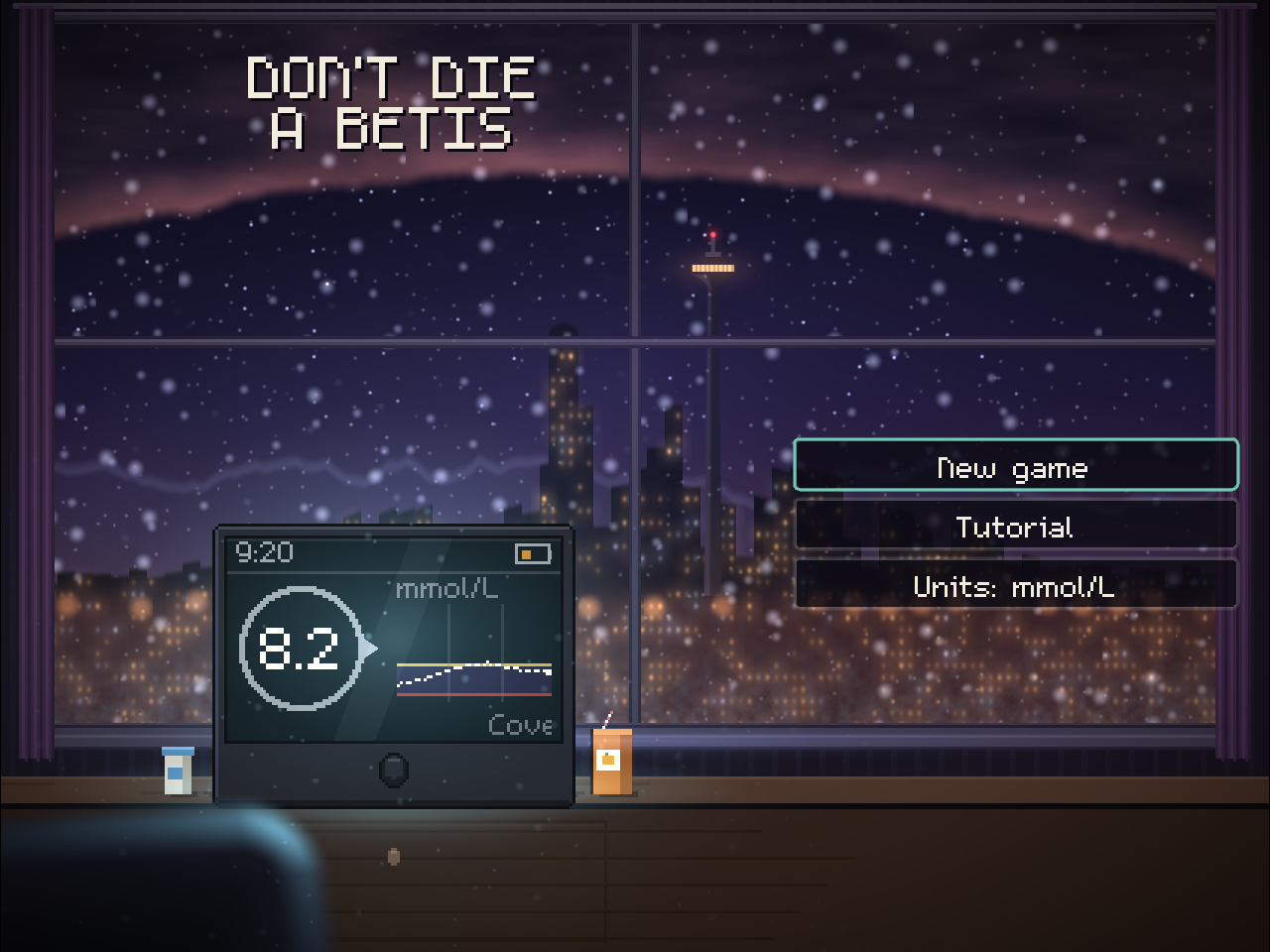
Don't Die a Betis
A beat 'em up about type 1, set in Calgary. Count carbs, dodge the Cinnamon Guy, and find a washroom before it is too late.
Play in your browserRead the instruction booklet.
Why activity helps
Regular activity makes your body more sensitive to insulin and helps you manage your blood sugar. It also helps your heart, bones, muscles, mood, sleep and energy.
Diabetes Canada recommends at least 150 minutes a week of moderate to vigorous aerobic exercise, the kind that makes you breathe harder, such as brisk walking, cycling, swimming or dancing. Spread it over at least three days, with no more than two days in a row without exercise. Resistance exercise, such as weights, bands or push-ups, is worth adding too.
If you have not been active for a while, start slowly, with 5 to 10 minutes a day, and build up. Talk to your doctor before you start anything harder than a brisk walk.
How activity changes blood sugar
Your muscles use sugar when you move, and activity makes insulin work harder. With type 1, your body can't turn its own insulin down to match, so the insulin you have already taken keeps working. That is why activity can bring on a low.
- During activity: steady aerobic exercise, like a long run or bike ride, is the most likely to drop your blood sugar while you do it.
- Hours later: exercise can lower your blood sugar for up to 48 hours afterwards.
- Overnight: exercise late in the day or in the evening raises the risk of a low while you sleep.
- Going up instead: short, very intense activity, such as sprinting, heavy weights or high-intensity intervals, can make blood sugar rise.
Interval training (short bursts of hard effort with rest between) and resistance exercise are linked with fewer lows during the activity than steady aerobic exercise.
Checking before, during and after
Because activity can move your blood sugar for so long, check it regularly, especially since you take insulin.
- Before: check before you start, so you know where you are and which way you are heading.
- During: for longer activity, check along the way. A CGM (continuous glucose monitor, a sensor that reads your sugar all day) makes this easier.
- After: keep checking for the rest of the day, and before bed after evening exercise.
Always carry fast-acting sugar, such as glucose tablets or candy, in case you need to treat a low. See Treating a low for how.
Planning insulin and food
There are a few ways to lower the risk of a low, and they can be used alone or together. Your team will help you choose which suit you, and by how much.
- eating extra carbohydrate before, during and after activity, as needed
- lowering the mealtime insulin that will be working while you are active
- lowering background insulin for the activity, and sometimes overnight afterwards (with a pump this can be a temporary rate)
If intense activity pushes your blood sugar up, ask your team whether and how to correct it afterwards. Don't make big changes to your insulin without a plan from them.
When to wait: high blood sugar and ketones
Ketones are acids your body makes when it doesn't have enough insulin. When insulin is short, exercise can push blood sugar higher instead of lower.
Diabetes Canada's guidelines say that if your blood sugar is over 16.7 mmol/L and you don't feel well, check for ketones.
- Ketones high (blood ketones 1.5 mmol/L or more, or urine ketones of 2+ or more): put off vigorous exercise. Take insulin as your team has told you to, with carbohydrate if needed, and wait until your ketones are no longer high.
- Ketones negative or trace, and you feel well: you don't need to put off exercise because of the high blood sugar.
For what high ketones mean and when to get help, see Highs and ketones.
Staying safe
- Wear a medical ID bracelet or necklace.
- Wear comfortable shoes that fit well.
- Stop and talk to your doctor if you are short of breath or have chest pain.
- In hot weather, people with diabetes lose heat less well. Exercise somewhere cool if you can, take breaks in the shade and drink enough water.
- Tell the people you exercise with what a low looks like and where you keep your fast sugar.
Follow your own diabetes care team. This page explains the general advice. Your doctor, nurse educator and dietitian know your body and your insulin, and their plan comes first.
Sources
- Diabetes Canada. Exercise & activity.
- Diabetes Canada Clinical Practice Guidelines. Chapter 10: Physical activity and diabetes (2018).
Checked against these sources in November 2026.