If you are thinking about suicide, or worried about someone who is, call or text 9-8-8, the 9-8-8 Suicide Crisis Helpline. It is open 24 hours a day, every day of the year. If your life or someone else's is in immediate danger, call 911 or go to the nearest emergency department.
Featured partnerFREE TO PLAY
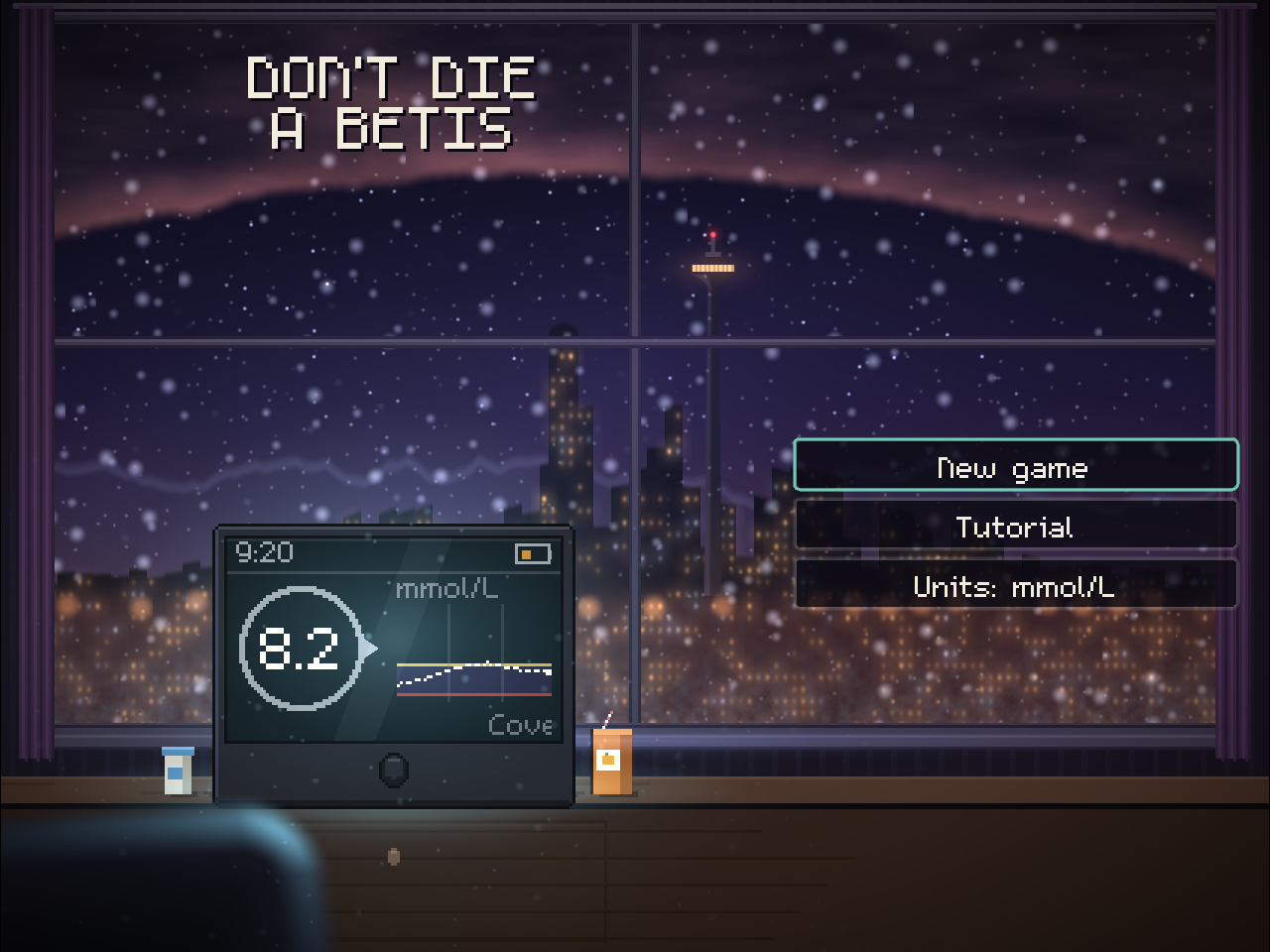
Don't Die a Betis
A beat 'em up about type 1, set in Calgary. Count carbs, dodge the Cinnamon Guy, and find a washroom before it is too late.
Play in your browserRead the instruction booklet.
What diabetes distress is
Diabetes distress is the strain of living with diabetes and doing its daily care: the worry, frustration and tiredness that come from checking, counting, dosing and planning, every day, with no days off.
When it builds up, people often describe feeling burned out. They may feel defeated when their numbers don't match the effort they put in, or simply too tired to keep going with their care.
Diabetes distress is not the same as depression, though the two can overlap and are sometimes mistaken for each other. Both deserve care, and your team can help tell them apart.
The signs
Signs of diabetes distress and burnout include:
- feeling overwhelmed by everything diabetes asks of you
- fear or constant worry about complications or a severe low
- feeling defeated or discouraged when your numbers aren't where you hoped, despite your best efforts
- your diabetes care slipping, or your mental health getting in the way of it
- pulling away from people and activities you normally enjoy
Feeling hopeless or helpless, tired all the time, changes in sleep or appetite, and trouble making decisions can be signs of depression. If you notice these, talk to your doctor.
It is common
Diabetes Canada's guidelines say diabetes distress affects about a third of people with diabetes. Breakthrough T1D Canada puts it at one-third to nearly one-half of adults and youth with diabetes. Parents and family members can feel it too.
It is not a sign that you are failing at diabetes. The daily demands of diabetes take a real psychological toll. Diabetes Canada encourages you to be compassionate with yourself and to accept your feelings as a valid response to a long-term condition.
Judgement from other people can add to the load. Feeling judged about diabetes is common, and it can make it harder to look after yourself. See Family and friends.
What helps
- Name it. Recognizing what you are feeling is a first step.
- Tell your team early. Your doctor, nurse, diabetes educator, psychologist or social worker can help you build coping skills and can refer you to mental health care.
- Tell the people close to you how you feel and how they can help.
- Talk to someone else with type 1. See Finding your people.
- Make goals small. Pick one realistic change and build on it, one step at a time.
- Make time for things you enjoy, and give yourself credit when you reach a goal.
- Mention money worries. Diabetes care can be expensive. If cost is part of the strain, tell your team. There may be ways to reduce it. See Getting it covered.
Breakthrough T1D Canada keeps a directory of mental health providers who know about diabetes. If your endocrinologist has no one to recommend, a general therapist can also help.
When to get help
Ask your team for help, or for a referral to a mental health professional, if:
- your feelings are overwhelming, or have lasted more than a week or two
- you still feel down a couple of months after your diagnosis
- your diabetes care is getting off track
- you are pulling away from the people and things you usually enjoy
- work, school or relationships are weighing on you more than usual
Diabetes Canada's Information & Support line can also point you to resources: 1-800-226-8464.
Follow your own diabetes care team. This page explains the general advice. Your doctor, nurse educator and dietitian know your body and your insulin, and their plan comes first.
Sources
- Diabetes Canada Clinical Practice Guidelines. Chapter 18: Mental health and diabetes, 2023 update.
- Diabetes Canada. Mental health and diabetes.
- Breakthrough T1D Canada. Mental health.
- 9-8-8: Suicide Crisis Helpline. 988.ca.
Checked against these sources in November 2026.