Featured partnerFREE TO PLAY
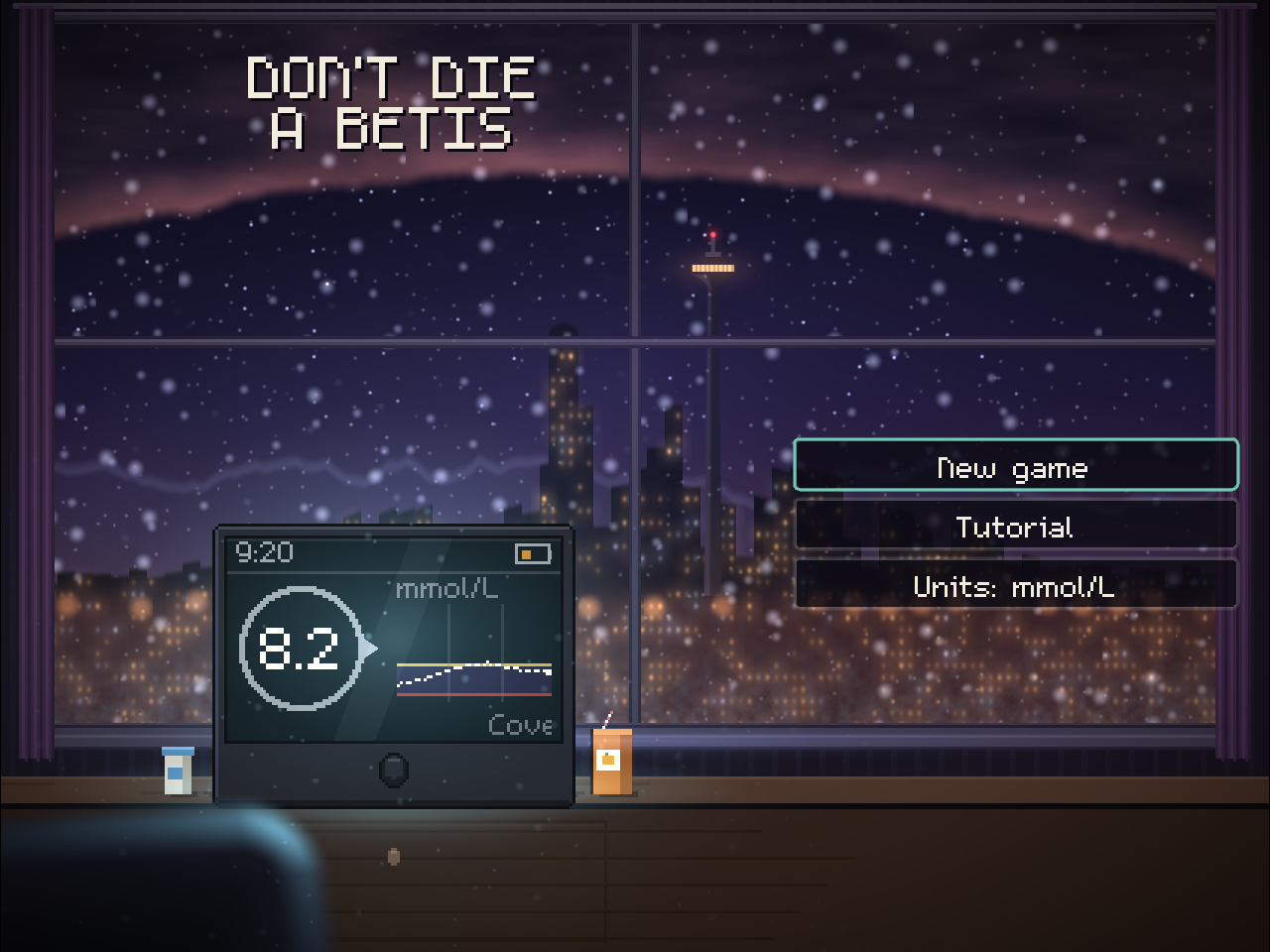
Don't Die a Betis
A beat 'em up about type 1, set in Calgary. Count carbs, dodge the Cinnamon Guy, and find a washroom before it is too late.
Play in your browserRead the instruction booklet.
Before you go
- See your team. Ask how to time your insulin if you are crossing time zones, and what to do if your routine, food or activity changes a lot on the trip.
- Get a doctor's note explaining your diabetes and why you carry insulin, needles and devices.
- Carry a copy of your prescriptions, with the generic and brand names, in case anything is lost or stolen. Your pharmacist can give you a list of your medications.
- Buy travel health insurance that covers medical care abroad, including getting new prescriptions. Medical care outside Canada can be very expensive.
- Check your destination. Some medications legal in Canada are restricted elsewhere, and some may not be available. The country's government office in Canada can tell you.
Packing
A travel health service in Manitoba suggests taking two or three times the medication and supplies you expect to need. Keep a spare supply of insulin in a different bag from your main supply, so one lost bag doesn't take everything.
A packing list to start from:
- insulin, pens or syringes and needles, or pump supplies such as sets and reservoirs
- your meter, test strips, lancets and spare batteries
- CGM sensors, and the phone or reader you use with them
- ketone strips
- fast-acting sugar for lows, and snacks
- glucagon, and instructions for whoever you are travelling with
- your doctor's note, prescriptions, insurance details and your team's phone number
If you use a pump, ask your team for a backup plan with injections in case it stops working.
Airport security in Canada
CATSA (the Canadian Air Transport Security Authority) runs screening at Canadian airports. Its rules say:
- Diabetes supplies are allowed. All diabetes medication, equipment and supplies can go through the checkpoint. Keep them in your carry-on.
- Insulin is not limited to 100 mL. Prescription liquid medications are exempt from the liquids rule and don't go in your 1 L bag, but you must show them to the screening officer.
- Needles and syringes are allowed when you have the medication they are for. Keep the needle guards on, tell the officer, and keep the medication labelled.
- Keep your pump or CGM on. Tell the officer you are wearing it, and don't take it off. If your device may be harmed by X-ray machines or full-body scanners, ask for a different screening method. The officer will give you options.
- Spare sensors, batteries and accessories go in your carry-on, where they are easy to inspect.
- Cooling packs are allowed for medication that must stay cool. Use gel packs or a non-electric insulated case and declare them. Battery-powered or electric coolers belong in checked baggage.
CATSA says you don't need medical papers to get through, but showing them can make screening easier. For other countries, check that country's airport security rules before you fly home.
On the way
Lines, delays and late meals can throw off your usual routine, and a late or skipped meal makes a low more likely.
- Keep fast sugar, snacks and your meter with you, not in checked baggage.
- Check more often than usual on travel days, and when your activity changes, like a day of walking or swimming.
- Follow the plan your team gave you for your insulin across time zones.
Keeping insulin safe from heat and cold
Insulin is damaged by heat and by freezing. Diabetes Canada says to throw out insulin that has been frozen, has been above 30°C, or is past its expiry date. The insulin you are using can usually stay at room temperature for up to 30 days, but storage is different for each product, so check the product information or ask your pharmacist.
- In the heat: keep insulin out of direct sun and out of a hot car. An insulated case helps. Refrigerate your spare insulin when you arrive, if you can.
- In the cold: don't let your insulin freeze, for example in a bag left outside or in a cold car. Ask your team or pharmacist how best to carry it in winter.
- Your meter and strips work best within a set temperature range. Avoid checking in direct hot sun or in a hot car.
While you are away
- Insulin, syringes and pen needles sold in other countries may not be the same as in Canada. Bring your own.
- Don't buy medication abroad unless a health-care professional has advised it, and watch out for fake products.
- Know where you could get medical help at your destination before you need it.
- Wear diabetes identification, and tell the people you travel with what a low looks like and how to treat one. See Treating a low.
Follow your own diabetes care team. This page explains the general advice. Your doctor, nurse educator and dietitian know your body and your insulin, and their plan comes first.
Sources
- Canadian Air Transport Security Authority (CATSA). Medication and medical items (2026).
- Canadian Air Transport Security Authority (CATSA). Continuous blood glucose monitor (2026).
- Government of Canada. Travelling with medication.
- Diabetes Canada. Getting started with insulin.
- Diabetes Canada. Managing diabetes in emergency situations.
- Winnipeg Regional Health Authority, Travel Health and Tropical Medicine Services. Travelling with diabetes (2007).
Checked against these sources in November 2026.