If someone with type 1 has been drinking and passes out
Don't put food or drink in their mouth. Call 911. Glucagon may not work while there is alcohol in the body.
Featured partnerFREE TO PLAY
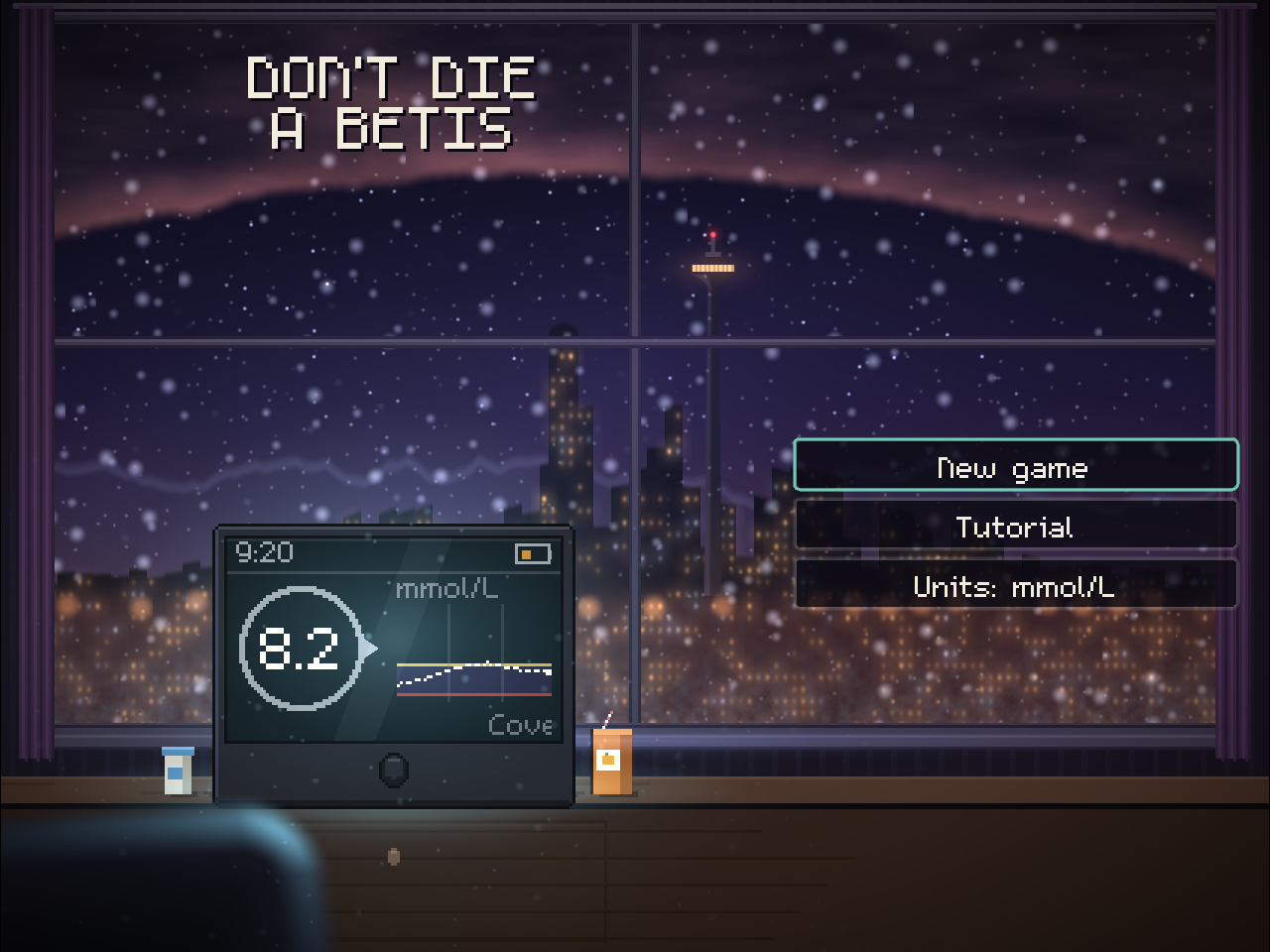
Don't Die a Betis
A beat 'em up about type 1, set in Calgary. Count carbs, dodge the Cinnamon Guy, and find a washroom before it is too late.
Play in your browserRead the instruction booklet.
How alcohol affects blood sugar
Your liver normally releases sugar into your blood when it starts to fall. While it is busy breaking down alcohol, it can't do that as well, so the insulin you have taken can push you low.
- Lows can come late. Diabetes Canada warns that a moderate amount of alcohol with, or 2 to 3 hours after, an evening meal can cause a low the next morning after breakfast, or as late as 24 hours after drinking.
- Some drinks also raise blood sugar. Beer, sweet wine, liqueurs, coolers and drinks mixed with regular pop or juice contain carbohydrate.
- Alcohol affects your judgment. You may be slower to notice a low and to treat it.
- Glucagon may not work while there is alcohol in the body, which is why the people with you need to know to call 911.
Diabetes Canada also advises not drinking if you plan to drive. See Driving.
Before you drink
- Eat regular meals, take your insulin as usual and check your blood sugar. Bring your meter or CGM.
- Carry fast-acting sugar to treat a low, such as glucose tablets or regular pop.
- Make sure someone with you knows the signs of a low and how to treat it.
- Wear diabetes identification, such as a medical ID bracelet.
- Talk to your team before a night out about how to adjust your routine for drinking.
While you drink
- Eat. Have carbohydrate-rich food when you drink, and keep eating some every few hours if you keep drinking.
- Eat extra if you are dancing or otherwise active, since activity lowers blood sugar too.
- Go slowly. Pour your own drinks, use sugar-free mixes, and alternate alcohol with water or another drink without alcohol.
- Check your blood sugar while you drink.
Diabetes Canada and Breakthrough T1D both say not to take insulin for the carbohydrate in alcoholic drinks. Ask your team how this applies to you.
After drinking, and the next morning
- Check before bed. If your blood sugar is lower than usual, eat a carbohydrate snack before you sleep.
- Plan for the night. Set an alarm, or ask someone you trust to wake you, during the night and early in the morning, so you can check.
- Get up on time. Don't sleep through your usual food or insulin. Missed insulin can lead to high blood sugar, ketones and DKA (diabetic ketoacidosis, a dangerous build-up of acids in the blood).
The people with you
Wherever you drink, make sure someone with you knows you have type 1, what your lows look like and how to treat one. Tell a responsible person that you have been drinking, so they watch for the signs of a low afterwards.
They should also know to call 911 if you pass out or can't eat. If you use a CGM that can share readings, you could share them with a friend for the night.
How much
The advice on amounts is the same for people with and without diabetes. Canada's Guidance on Alcohol and Health (2023) says drinking less is better. At 2 standard drinks a week or less, you are likely to avoid harm from alcohol, and the risks rise with each extra drink. More than 2 drinks on one occasion raises the risk of injury.
One standard drink in Canada is 341 mL (12 oz) of 5% beer, 142 mL (5 oz) of 12% wine, or 43 mL (1.5 oz) of 40% spirits. Diabetes Canada's guidelines and handout date from 2018 and use the older, higher limits that the 2023 guidance replaced.
If you have questions about whether alcohol is right for you, talk to your diabetes educator or doctor.
Follow your own diabetes care team. This page explains the general advice. Your doctor, nurse educator and dietitian know your body and your insulin, and their plan comes first.
Sources
- Diabetes Canada. Alcohol and diabetes (patient handout, 2018).
- Diabetes Canada. Diabetes and drinking.
- Diabetes Canada Clinical Practice Guidelines. Chapter 11: Nutrition therapy (2018).
- Breakthrough T1D Canada. Alcohol and T1D.
- Canadian Centre on Substance Use and Addiction. Canada's Guidance on Alcohol and Health (2023).
Checked against these sources in November 2026.